
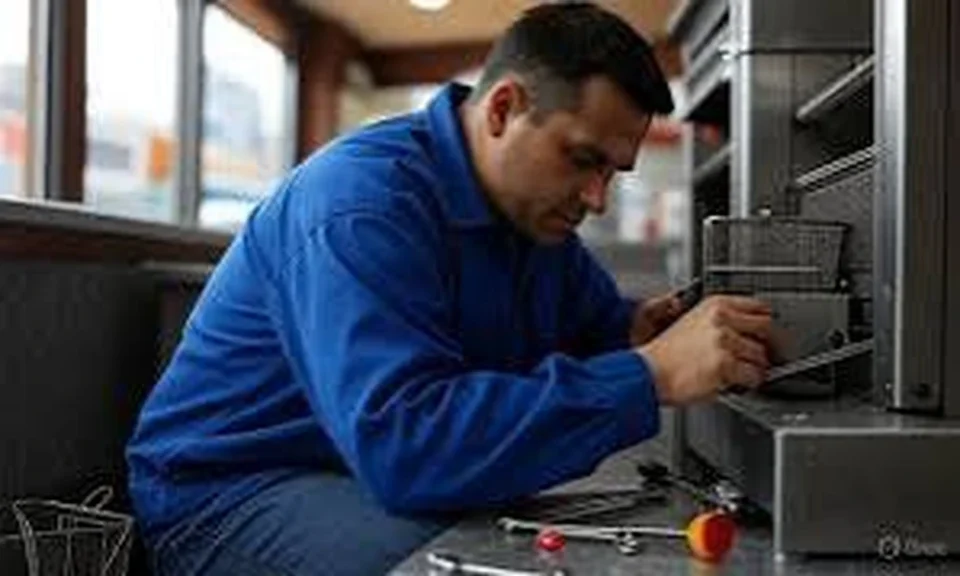
Emergency equipment repair is expensive. Urgent appointment slots cost more. Technician overtime gets billed. Parts marked up for immediate delivery. Cost compounds when you’re desperate.
When you’re managing midstateokc.com or any commercial location, scheduled maintenance costs less than emergency repair. You plan for it. Technician appointment fits the schedule. Parts arrive when expected. No crisis pricing. No overtime fees.
But that’s not the real reason to do it. The real reason is simpler. Emergency repair happens after the failure destroys your night. Scheduled maintenance prevents the failure from destroying your night.
That’s the whole difference.
FAQ: Equipment Maintenance for Commercial Locations
Q: How often should we schedule equipment maintenance?
A: Most commercial equipment needs attention every quarter. Some monthly. Depends on the equipment, how many hours it runs, and how critical it is. A restaurant walk-in cooler might need monthly checks. A retail freezer case quarterly. Commercial HVAC seasonal. Ask your provider what makes sense for your equipment.
Q: What happens during a maintenance visit?
A: The technician checks the system for problems before they happen. Cleans filters. Tests connections. Checks refrigerant levels. Looks for corrosion. Listens for unusual sounds. Runs performance tests. Catches small issues before they become big failures.
Q: Isn’t maintenance just a way to charge me for work I don’t need?
A: Some companies, yes. Honest companies schedule maintenance when the equipment actually needs it. If your equipment is running well and maintained properly, maintenance might just be a quick inspection and report. You should know exactly what was done and why.
Q: What if nothing is wrong at the maintenance visit?
A: That’s often the case. Equipment runs fine. Technician verifies it’s running well. Leaves a report. You know everything is operating properly. That’s worth something. Better than wondering when the next failure is coming.
Q: How much does scheduled maintenance cost compared to emergency repair?
A: Depends on the equipment and the failure. But generally, scheduled maintenance costs 20-40 percent of what emergency repair costs. Plus you avoid lost revenue. Plus you avoid spoiled inventory. Plus you avoid disappointing customers. The math is simple.
Q: When should we schedule maintenance to avoid impacting business?
A: For restaurants, typically Monday or Tuesday when service is light. For retail, early morning before opening or late after closing. The company should work with your schedule, not against it. Maintenance should happen on your slow periods, not during peak business.
Q: What equipment actually needs maintenance?
A: Anything that runs continuously or cycles regularly needs maintenance. Walk-in coolers. Refrigerated display cases. Kitchen HVAC. Cooking equipment with gas lines. Ice machines. Anything that’s critical to running the business should be on a schedule.
Q: What happens if we skip maintenance?
A: Equipment slowly degrades. Efficiency drops. Consumption increases. Wear accelerates. Then one day during peak business something fails. Now you’re scrambling. Now you’re paying emergency rates. Now you’re losing revenue.
Q: Can we just call when something breaks?
A: You can. But then you’re managing by crisis. You’re paying premium rates for emergency service. You’re dealing with downtime during business hours. You’re explaining to customers why the menu is limited. It’s reactive instead of proactive.
Q: How do we know which company to use for maintenance?
A: Look for companies that work with restaurants and retail. Not just HVAC contractors who also do commercial. Companies that understand the business. That schedule maintenance on your terms. That explain what’s being checked and why. That follow up to make sure everything is running right.
The Real Cost
When working with midstateokc.com, scheduled maintenance isn’t an expense. It’s insurance. Insurance that your equipment works when you need it. Insurance that downtime is planned and minimal instead of chaotic and revenue-destroying.
The cost of that insurance is small compared to the cost of failure.
