
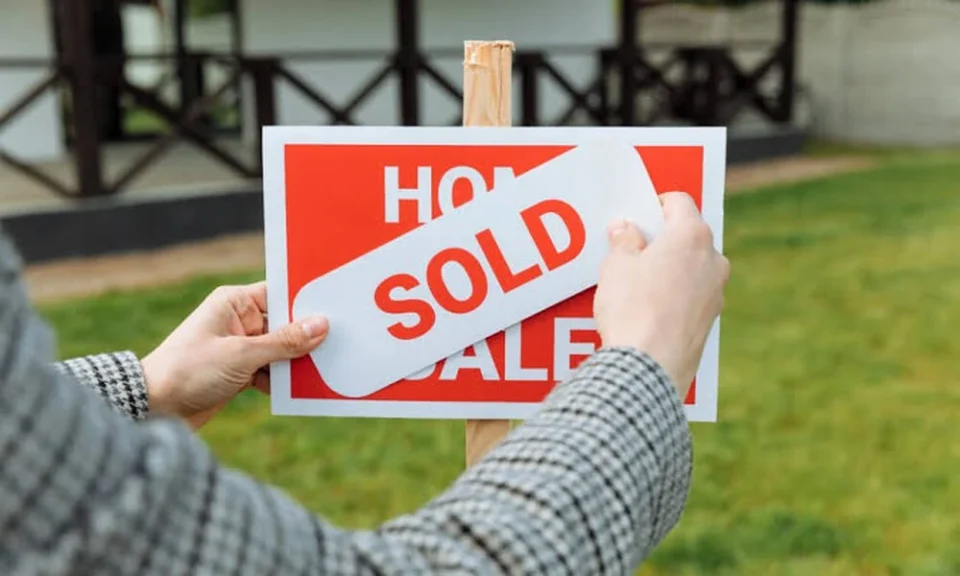
Receiving a cash offer on a home can feel like a quick and welcome solution, especially for homeowners looking to avoid the delays of a traditional sale. But not all offers are created equal, and understanding how to evaluate one is an important step before signing anything. A little bit of comparison shopping can make the difference between a fair deal and one that leaves money on the table.
Start With a Baseline Understanding of Value
Before evaluating any offer, it helps to have a general sense of what the property might be worth. This doesn’t require a formal appraisal – looking at recent sales of comparable homes in the area, checking online estimates from multiple sources, and factoring in the home’s condition can provide a reasonable starting point. This baseline makes it much easier to judge whether a cash offer for house is in a fair range or significantly below market value.
Understand How the Offer Was Calculated
A trustworthy buyer should be willing to explain how they arrived at their number. Most legitimate companies will walk a homeowner through their reasoning before presenting a no-obligation cash offer, factoring in the home’s condition, needed repairs, location, and current market activity. If a company won’t explain its methodology or pressures a seller to accept without asking questions, that’s worth treating as a red flag.
Factor in What You’re Not Paying For
A lower cash offer isn’t automatically a bad deal once other costs are factored in. Selling as-is home sale style means no repair costs, no staging expenses, and no ongoing mortgage, tax, or utility payments while the home sits on the market. There are also no agent commissions to subtract from the final number. When these savings are added up, the net difference between a traditional sale and a direct cash sale is often smaller than it first appears.
Get More Than One Offer
Just as it makes sense to get multiple quotes for any major service, it’s worth requesting offers from more than one company. This doesn’t obligate a homeowner to accept any particular offer, and it provides a useful point of comparison. Differences between offers can reveal which companies are genuinely competitive and which are lowballing, hoping a seller won’t shop around.
Ask About Timeline Flexibility
Price isn’t the only factor worth comparing. Some homeowners need to close quickly, while others need extra time to arrange their next move. A good cash buyer should be able to accommodate a range of timelines rather than forcing a rigid closing date. Asking about this upfront can prevent a mismatch later in the process.
Review the Fine Print
Before accepting any offer, homeowners should read through the purchase agreement carefully, or have someone they trust review it with them. It’s worth checking for any fees that might be deducted at closing, contingencies that could allow the buyer to renegotiate later, and clear language about the closing date and process.
Trust Your Own Judgment
Ultimately, no company can pressure a homeowner into a decision that doesn’t feel right. A reputable buyer will give a seller time to think things over, answer questions honestly, and won’t use high-pressure tactics to rush a signature. If something feels off, it’s worth pausing and getting a second opinion.
Consider the Full Picture, Not Just the Number
It’s tempting to compare offers purely on the dollar amount, but the full picture matters more. A slightly lower offer with a fast, guaranteed close and no fees may end up being the better deal compared to a higher offer that comes with a longer timeline, unclear terms, or the risk of renegotiation later. Homeowners should weigh certainty and simplicity alongside price when deciding which offer truly serves their interests best.
Don’t Be Afraid to Negotiate
A cash offer isn’t necessarily the buyer’s final word. If a homeowner has done their research and believes an offer is below a fair range, it’s reasonable to ask questions, present comparable sales data, or simply ask whether there’s room to adjust the number. A buyer confident in their process should be willing to have that conversation rather than treating the first offer as non-negotiable.
Take Your Time With the Decision
There’s rarely a reason to rush into accepting a cash offer the same day it’s presented. A homeowner should feel comfortable sleeping on the decision, discussing it with family, or running the numbers past a trusted friend or advisor. The offer should still be there the next day, and a company that pressures an immediate answer is not necessarily acting in the seller’s best interest.
Final Thoughts
Comparing a cash offer takes a bit of homework, but it’s well worth the effort. By understanding baseline home values, asking how an offer was calculated, factoring in the savings from skipping repairs and commissions, and getting more than one quote, homeowners can move forward with confidence, knowing they made an informed decision.
