
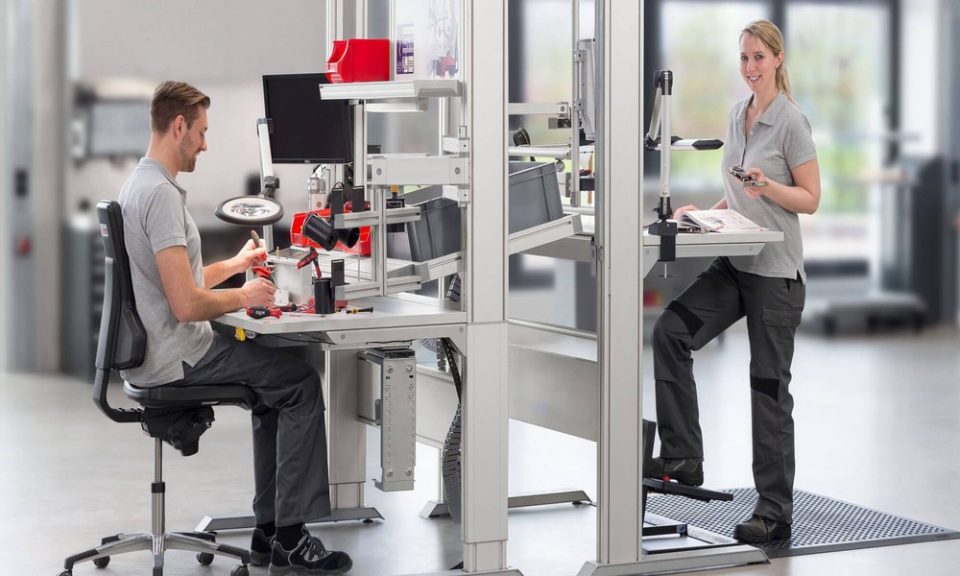
The workforce ergonomics of a business is often overlooked, yet it plays a crucial role in improving efficiency and productivity in a changing work environment. It is equally important to enhance performance while reducing overall costs. Ergonomics is backed by science and focuses on designing tools, tasks, and workplaces to match human capabilities and limitations. When applied effectively, it reduces strain, minimises errors, and supports better workflow. Embracing workplace ergonomics improving productivity allows businesses to create safer, more comfortable environments that boost employee performance, increase job satisfaction, and contribute to long-term operational success.
Ergonomics plays a crucial role in improving the overall efficiency and productivity of industries. The organization needs to keep pace with the fast-moving world and constant growth.
WHAT IS WORKFORCE ERGONOMICS?
Workforce ergonomics places emphasis on the work environment for workers. This allows the workers to perform the job comfortably. Ergonomics applies the concept of changing the organization’s work environment according to workers, rather than forcing workers to adapt to the current environment.
Ergonomics application is beyond physical aspects. It also takes into consideration the mental health of all the workers. This will enable workers to make balanced decisions and work in a good environment.
WHAT IS THE LINK BETWEEN ERGONOMICS AND EFFICIENCY?
Efficiency means completing the work in less time while maintaining the same quality. If businesses have poor ergonomics, it leads to discomfort, fatigue, or work dissatisfaction among workers. This is why the application of ergonomics is essential.
When a business has good ergonomics, it leads to safer, quicker, and more efficient performance by the workers. It also makes the worker perform the task safely. This will reduce injuries experienced by workers, leading to a reduction in medical expenses.
HOW TO REDUCE WORKPLACE INJURIES?
Ergonomics plays a key role in reducing the injuries sustained by workers while performing tasks. It enables the organization to implement a supportive environment for working.
When the workers are healthier and safer, it reduces downtime caused by accidents. In the manufacturing industry, where physical work is intense, it is recommended to apply ergonomics in the workplace.
HOW ERGONOMICS IMPROVES PRODUCTIVITY AND OUTPUT?
Ergonomics reduces unnecessary movements, which increases productivity and output. It directly impacts how quickly a task can be completed. If the tools and techniques are designed according to the workers’ comfort, the task gets completed in less time.
Most businesses incur costs in improving productivity. The application of ergonomics constantly improves the overall productivity of operations.
REDUCTION IN ERRORS
Most industries require precise production of goods. Discomfort and fatigue enable workers to make mistakes. These errors have serious consequences for businesses. Therefore, it is crucial for the business to implement ergonomics to avoid committing mistakes.
CONCLUSION
Ergonomics enables working conditions that are favorable for workers. It is recommended for industries that require iterative or intense physical work to implement an ergonomics workplace in their businesses. This will enable the workers to work according to their technique and need.
