
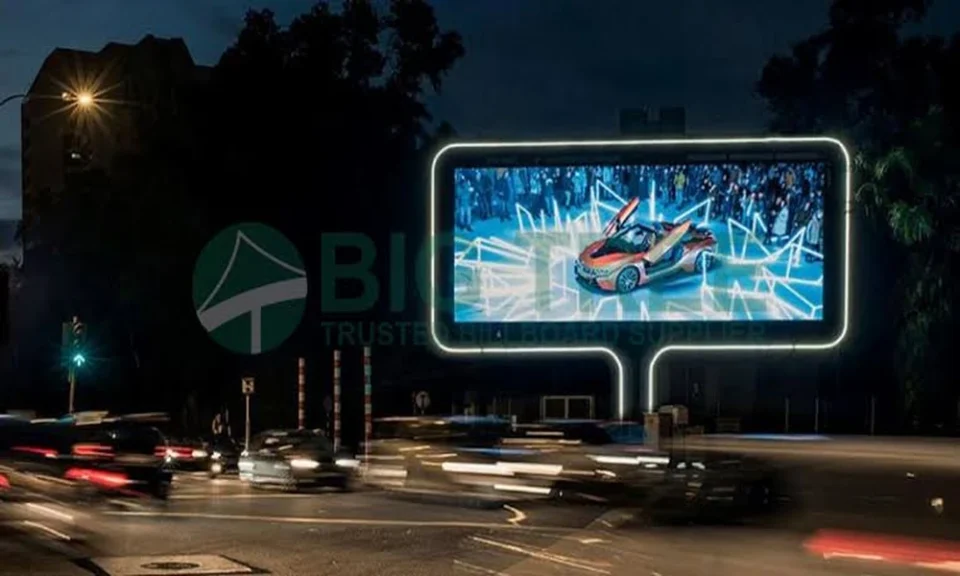
Mobile LED screens give hospitality businesses a direct way to place promotional messaging in front of the people already circulating nearby, rather than waiting for local audiences to discover a venue on their own. In order to fill capacity, restaurants, hotels, and event spaces must remain visible within a particular neighbourhood. In this format, content is delivered along routes where most residents, commuters, and visitors are located. A mobile billboard truck extends this reach past nearby neighbourhoods, transit corridors, and commercial districts, helping hospitality operators stay visible to local audiences without depending on a single fixed location to generate that awareness.
Local audience proximity
Local audience proximity defines how effectively a hospitality business can reach the customers most likely to visit on short notice. Hospitality businesses operate within a defined local catchment, drawing most customers from areas close enough for a same-day visit, and mobile LED screens support this by concentrating routes within neighbourhoods, office districts, and residential zones surrounding a business location.
- Routes can circle nearby streets during lunch and dinner hours when local footfall peaks.
- Display timing can align with commuter patterns feeding into a business district.
- Coverage can extend toward residential zones during weekend and evening periods.
- Positioning can adjust seasonally as local foot traffic patterns shift.
Restaurant daypart messaging
• Breakfast and lunch reach – Breakfast and lunch periods call for messaging tuned to a completely different audience mindset than evening hours draw. Restaurants and hospitality venues experience distinct demand periods throughout a single day, and a promotional message aimed at breakfast traffic carries little relevance during a late evening slot. Mobile LED screens address this by allowing creative content to switch across different dayparts without requiring separate physical installations for each period.
• Dinner and late-night shift – Dinner and late-night shifts often bring a different customer altogether, one more responsive to offers than to general awareness messaging. A business promoting a lunch special can display that message during midday hours, then shift toward dinner or late-night offers as the day progresses, letting one display unit serve each period with content matched to that specific window.
Neighbourhood route flexibility
Neighbourhood route flexibility allows a single campaign to follow demand rather than stay fixed to one street for an entire promotional period. Rather than staying in the same neighbourhood, mobile billboard trucks adjust their routes based on neighbourhood traffic patterns, moving to areas where there is more activity on any given day. Introducing new locations or promoting limited-time offers is a good way for hospitality businesses to spread their message gradually throughout surrounding neighbourhoods and reach a greater number of people than if they relied solely on one fixed point of exposure. It is possible to adjust the route of the display units to capture foot traffic caused by local gatherings and events so that the display units do not need to schedule a separate booking for that traffic.
In order to stay competitive in the hospitality industry, mobile LED screens provide businesses with a format that is based on the way locals move throughout a day and a neighbourhood. Proximity-based routing, restaurant daypart messaging, and route flexibility together explain why the format continues to find steady use among restaurants and hospitality operators focused on reaching nearby customers consistently.
