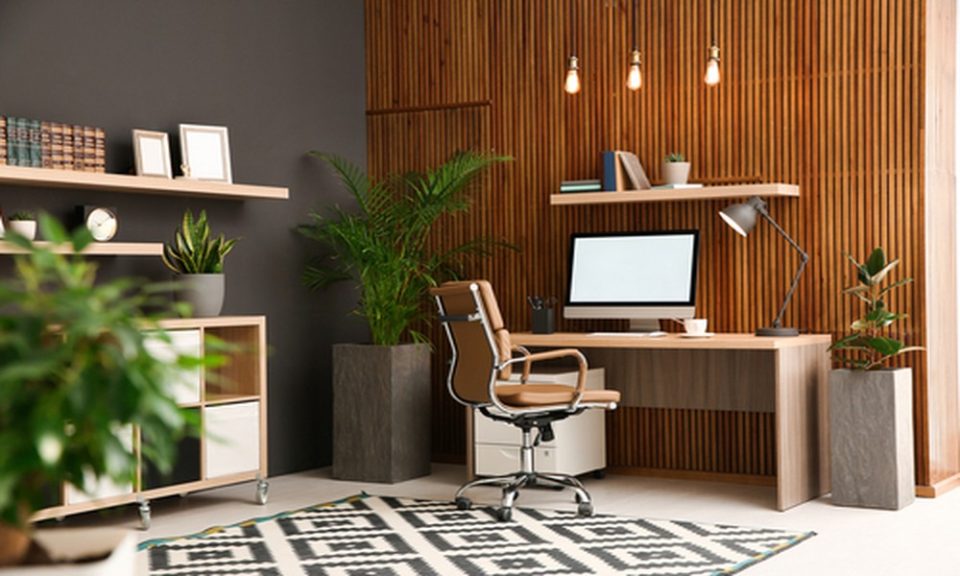
Picking the right wall panels isn’t always as straightforward as it sounds.
At first glance, it feels like a simple decision-choose a design you like, install it, and you’re done. But once you start thinking about how the space is actually used, things get a bit more nuanced.
Because the truth is, what works in an office might not work in a home. And what looks great in a retail space might not perform well acoustically.
That’s where understanding how an acoustical panel fits into different environments really helps. It’s not just about aesthetics-it’s about matching the panel to how the space functions day-to-day.
Start with how the space is used.
Before looking at materials or designs, it helps to step back and ask a simple question:
What actually happens in this space?
In an office, you’re dealing with:
- Conversations happening at the same time
- Meetings and calls
- The need for focus and clarity
In a home, it’s more about:
- Comfort and relaxation
- TV and casual conversations
- A quieter, more personal environment
In retail spaces:
- Background music
- Customer interactions
- A more dynamic and open layout
Each of these creates different sound patterns. So instead of choosing panels based on looks alone, it’s better to think about what kind of sound environment you’re trying to create.
Offices: clarity and control come first.
In office settings, the main goal is usually clarity.
You want conversations to be:
- Easy to follow
- Contained within smaller areas
- Not distracting to others nearby
That’s where a decorative acoustical wall panel setup can do more than just improve sound-it can also support how people work.
Panels are often placed:
- Around meeting areas
- Along shared walls
- In open-plan zones where sound tends to spread
The idea isn’t to make the office silent. It’s to make it manageable, where people can communicate without everything blending into one big layer of noise.
Homes: subtle improvement without overdoing it.
At home, the approach is usually more relaxed.
You’re not trying to control multiple conversations or manage large groups of people. Instead, it’s about making the space feel comfortable.
Common issues at home include:
- Echo in living rooms with hard surfaces
- TV audio not sounding clear
- Spaces feeling slightly “loud” even at normal volume
Here, an acoustical panel doesn’t need to cover entire walls.
A few well-placed panels can:
- Soften reflections
- Improve sound clarity
- Make the room feel calmer overall
And because it’s a personal space, design plays a bigger role. Panels often double as decorative elements, blending into the overall look rather than standing out.
Retail spaces: balancing sound and atmosphere
Retail environments are a bit different.
Sound isn’t just something to control-it’s part of the experience.
You’ve got:
- Music playing in the background
- Conversations between staff and customers
- Movement and activity throughout the space
If the acoustics aren’t handled well, everything can start to overlap, making the space feel noisy or overwhelming.
This is where a decorative acoustical wall panel setup helps create balance.
Instead of removing energy from the space, it:
- Keeps sound from becoming too chaotic
- Helps conversations stay clear
- Maintains a comfortable atmosphere for customers
It’s less about reducing noise completely and more about keeping the environment pleasant.
Material and finish: more than just looks.
It’s easy to focus on how panels look, but what they’re made of matters just as much.
Different materials affect:
- How much sound is absorbed
- Which frequencies are reduced
- How the panel performs over time
For example:
- Softer, porous materials absorb more sound
- Denser finishes may reflect more than absorb
- Fabric coverings can influence both performance and aesthetics
So while design is important, performance shouldn’t be overlooked, especially in spaces where sound plays a big role.
Placement makes or breaks the result.
Even the best panels won’t work well if they’re placed randomly.
Sound tends to reflect off:
- Large, flat walls
- Surfaces facing each other
- Areas near where people speak or gather
So panels are most effective when placed:
- At ear level in key zones
- Along main reflection paths
- Near conversation areas
You don’t always need a lot, but you do need the right placement.
It’s about balance, not coverage.
One common misconception is that more panels automatically mean better results.
But too much absorption can make a space feel:
- Flat
- Overly quiet
- Slightly unnatural
The goal is balance.
You want enough absorption to reduce echo and noise buildup, but still keep the space feeling alive.That balance looks different depending on whether you’re designing for an office, a home, or a retail setting.
Final Thoughts
Choosing the right wall panels isn’t just about filling empty walls, but shaping how a space feels and functions.
An acoustical wall panel setup works best when it’s aligned with:
- How the space is used
- What kind of sound environment you want
- Where the actual acoustic issues are coming from
Whether it’s for focus in an office, comfort at home, or atmosphere in a retail space, the right approach is doing just enough, in the right places, to make the space feel the way it’s meant to.