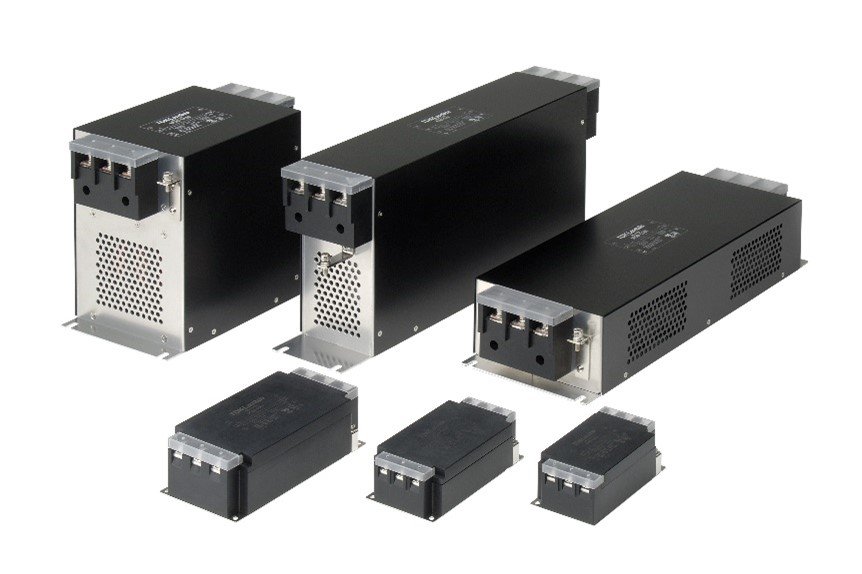
Electromagnetic interference (EMI) and electromagnetic compatibility (EMC) are critical considerations in electrical and electronic design. EMI refers to the disruption caused by electromagnetic fields that can affect the performance of devices. In contrast, EMC denotes the ability of a device to function as intended in its electromagnetic environment without causing or experiencing unacceptable interference.
EMI and EMC filters play a vital role in mitigating these issues. These filters are designed to suppress electrical noise and ensure that electronic systems operate reliably. Understanding their functionality and importance is essential for electrical engineers, design engineers, and procurement managers involved in the selection of reliable noise suppression solutions.
The Functionality of EMI and EMC Filters
EMI filters are essential components used to minimise the impact of electromagnetic interference. They work by allowing desired signals to pass while blocking unwanted noise. The effectiveness of an EMI filter is determined by its design, which typically includes capacitors, inductors, and resistors configured to target specific frequency ranges.
EMC filters, on the other hand, focus on ensuring that devices can coexist without causing interference. They are crucial for compliance with international standards such as IEC and CISPR guidelines, which outline the permissible levels of electromagnetic emissions for various types of equipment.
Importance of EMI and EMC Filters
Reducing Electromagnetic Interference
One of the primary roles of EMI and EMC filters is to reduce electromagnetic interference. This interference can originate from various sources, including power lines, radio transmitters, and even other electronic devices. By employing effective filtering solutions, engineers can prevent disruptions that may lead to malfunctions or reduced performance of sensitive equipment.
Improving Equipment Reliability
Reliability is paramount in any industrial or electronic system. EMI and EMC filters enhance equipment reliability by ensuring stable operation in the presence of electrical noise. By preventing interference, these filters help maintain signal integrity, which is crucial for the proper functioning of devices, particularly in critical applications such as medical equipment, telecommunications, and industrial automation.
Meeting Compliance Standards
Compliance with EMC standards is not only a regulatory requirement but also a best practice for ensuring product quality. Manufacturers must design their products to meet specific standards set forth by organisations such as the International Electrotechnical Commission (IEC) and the International Special Committee on Radio Interference (CISPR). Using EMI and EMC filters is a practical approach to achieving compliance and ensuring that devices can operate safely within their intended environments.
Selecting Suitable EMI and EMC Filters
Choosing the right EMI and EMC filter requires careful consideration of several factors, including the specific application, frequency range, and environmental conditions. Here are some key aspects to consider:
– Application Requirements: Different applications may have unique requirements for noise suppression. For instance, medical devices may require filters that meet stricter compliance standards compared to industrial machinery.
– Frequency Range: Filters are designed for specific frequency ranges. It is essential to select filters that effectively target the frequencies of the interference present in a given system.
– Environmental Factors: The operating environment can influence filter performance. Factors such as temperature, humidity, and potential exposure to contaminants should be considered when selecting filters.
The Role of EMI Filter Manufacturers
When selecting EMI filters, it is crucial to partner with a reliable EMI filter manufacturer in India. A reputable manufacturer should provide comprehensive product documentation, technical support, and adherence to industry standards. In India, several manufacturers specialise in producing high-quality EMI and EMC filters, catering to various industrial and electronic needs. By choosing a trusted manufacturer, engineers can ensure that they are sourcing filters that will effectively mitigate electromagnetic interference and enhance equipment reliability.
Ensuring Reliable Electrical Performance
In summary, understanding the functionality and importance of EMI and EMC filters is essential for professionals in the electrical and electronics sectors. These filters not only reduce electromagnetic interference but also improve equipment reliability and ensure compliance with established standards. By carefully selecting suitable filters and partnering with reputable manufacturers, engineers can enhance the performance and safety of their systems, leading to more reliable and efficient operations.