
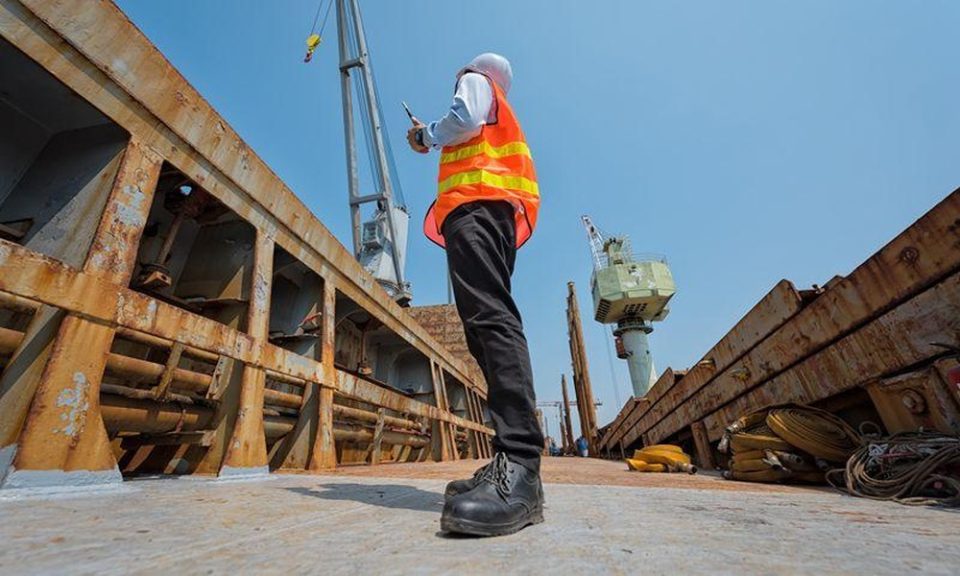
Key Takeaways
- Safety footwear forms the foundation of effective workplace protection.
- Kings safety shoes must be matched to actual site hazards, not assumptions.
- Comfort directly affects safety, focus, and proper PPE use.
- Footwear works best when integrated into a complete PPE safety equipment system.
- Regular inspection and replacement are essential to keep protection effective over time.
Workplace safety is often shaped by small, everyday decisions, such as what workers wear, how equipment is selected, and whether the protection provided matches the risks on site. Among these decisions, footwear and protective gear play a foundational role. Kings safety shoes and wider PPE safety equipment are tools that quietly support productivity, comfort, and long-term well-being. This step-by-step guide explores how to approach safety from the ground up, starting with footwear and expanding to personal protective equipment as a system.
Step One: Knowing Why Foot Protection Comes First
Feet absorb impact, carry weight, and maintain balance across uneven or hazardous surfaces. When foot protection is inadequate, fatigue sets in faster, and the risk of slips, punctures, or crush injuries increases. This is why Kings safety shoes are often considered the first layer of defence in many industries, from construction and logistics to manufacturing and maintenance. If this base is unstable or uncomfortable, even the best helmets or gloves cannot fully compensate. Footwear is a critical component of injury prevention, particularly in environments with moving loads or sharp debris.
Step Two: Matching Safety Shoes to the Work Environment
Not all safety shoes serve the same purpose. Some environments demand toe protection against heavy objects, while others require slip resistance or protection from electrical hazards. Selecting Kings safety shoes becomes more effective when the hazards are clearly identified rather than assumed. This step-by-step mirrors how PPE safety equipment should be selected overall: assess risks, understand exposure, and choose protection accordingly. When footwear aligns with actual conditions, workers move more confidently and with less strain.
Step Three: Comfort as a Safety Factor, Not a Luxury
Shoes that cause pressure points or restrict movement encourage poor posture and distracted working habits. Over time, this increases the likelihood of accidents. In the wider discussion of PPE safety equipment, comfort plays a similar role. Uncomfortable equipment is more likely to be worn incorrectly or avoided altogether.
Step Four: Integrating Footwear into a PPE System
Safety footwear works best as part of a coordinated set of PPE safety equipment that addresses head, hand, eye, and body protection together. When PPE elements are chosen independently, gaps or overlaps can occur. In this integrated approach, Kings safety shoes support the effectiveness of other PPE by reducing slips and missteps that could render other protections irrelevant.
Step Five: Training Workers to Use PPE Properly
Even the best equipment fails if it is misunderstood. This includes recognising when footwear is worn out or no longer fit for purpose. In practice, PPE safety equipment training should consist of footwear checks with helmet or glove inspections. When workers understand why Kings safety shoes are designed a certain way, they are more likely to use them correctly and report issues early.
Step Six: Maintenance and Replacement as Ongoing Steps
Safety does not end once equipment is issued. Over time, soles wear down, protective components weaken, and materials degrade. Regular inspection and timely replacement are essential steps that are often overlooked. For a Kings safety shoes, visible wear or reduced grip can signal the need for replacement long before complete failure. The same principle applies across PPE safety equipment. Establishing inspection routines ensures that protection remains effective rather than symbolic.
Step Seven: Evaluating Safety as a Business Decision
Beyond compliance, safety investments influence productivity, absenteeism, and morale. Workers who feel protected tend to work with greater confidence and consistency. Fewer injuries mean fewer disruptions, lower compensation claims, and more predictable workflows. Over time, this stability benefits both workers and organisations.
Step Eight: Adapting Safety Choices as Work Changes
Work environments evolve. New machinery, materials, or processes introduce new risks. Effective safety management involves revisiting PPE choices regularly rather than treating them as fixed decisions. As tasks change, Kings safety shoes may need to be reassessed, along with other PPE safety equipment. This adaptive approach ensures that protection remains aligned with reality rather than outdated assumptions. It also signals to workers that safety is an ongoing priority, not a one-time exercise.
Building Safety One Step at a Time
Workplace safety is built incrementally. Each choice, from footwear to full protective kits, contributes to a larger system of prevention and care. By approaching protection step by step, organisations can move beyond box-ticking and towards meaningful risk reduction. Kings safety shoes provide a practical starting point, anchoring stability and comfort at ground level. When integrated thoughtfully with broader PPE safety equipment, they support safer movement, clearer focus, and more resilient operations.
For those reviewing or upgrading their safety approach, explore Ansac Technology today to learn more.
