
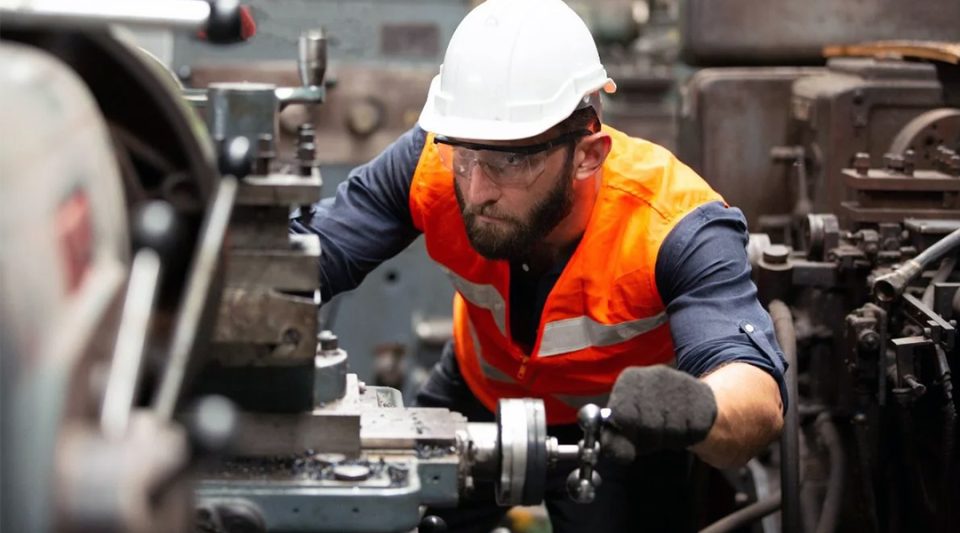
Maintenance scheduling is a structured approach to planning and performing equipment servicing at regular intervals. In industries that depend on machinery and vehicles, unplanned breakdowns can disrupt operations and reduce efficiency. By implementing a proper maintenance schedule, businesses can ensure that their assets remain in good working condition. This not only improves reliability but also enhances overall productivity. A well-organised schedule allows teams to work more efficiently and reduces uncertainty in daily operations. Incorporating improving machinery lifespan efficiency into maintenance strategies can further help businesses maximise equipment performance and reduce long-term operational costs. It also creates accountability by ensuring that maintenance responsibilities are clearly defined and consistently followed.
Minimising Unplanned Downtime
One of the most significant benefits of maintenance scheduling is the reduction of unexpected equipment failures. When maintenance is performed regularly, potential issues can be identified and resolved early.
Unplanned downtime can cause serious delays, missed deadlines, and loss of revenue. A proper schedule ensures that maintenance activities are carried out at the right time, preventing sudden disruptions and keeping operations running smoothly while maintaining consistent output levels.
Improving Work Planning and Efficiency
Maintenance scheduling helps businesses plan their work more effectively. When servicing activities are scheduled in advance, teams can organise their tasks without interruptions.
This improves workflow and ensures that employees can focus on their responsibilities without dealing with unexpected breakdowns. As a result, productivity increases and operations become more predictable and efficient, leading to better time management across departments.
Extending Equipment Lifespan
Regular maintenance plays a crucial role in extending the life of equipment. Scheduled servicing ensures that all components are checked, cleaned, and repaired when necessary.
Well-maintained equipment experiences less wear and tear, reducing the need for frequent replacements. This not only saves money but also ensures consistent performance over time and supports long-term operational stability.
Better Resource Allocation
With a well-defined maintenance schedule, businesses can distribute their resources more efficiently. Technicians, tools, and spare parts can be arranged in advance, reducing delays.
This organised approach prevents last-minute scrambling and ensures that maintenance tasks are completed efficiently. Proper resource allocation contributes to smoother operations and improved productivity while minimising wasted effort.
Enhancing Safety and Reliability
Equipment that is regularly maintained is safer to use. Maintenance scheduling ensures that machines meet safety standards and operate without risks.
A safer work environment reduces the chances of accidents and improves employee confidence. Reliable equipment also ensures that production targets are met without interruptions and supports consistent quality in output.
Conclusion
Maintenance scheduling is a key strategy for improving productivity in any operation that relies on equipment. By minimising downtime, improving work planning, extending equipment life, optimising resource use, and enhancing safety, it creates a stable and efficient working environment. Businesses that follow structured maintenance schedules can achieve better performance, reduce costs, and maintain consistent operational success over the long term while supporting sustainable growth.
