
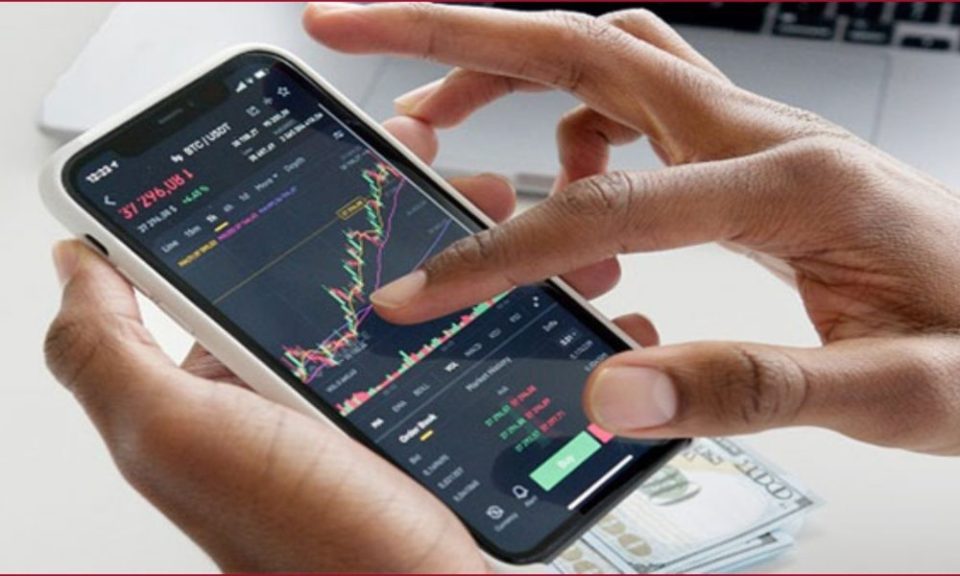
An IPO trading app helps investors apply for new public issues through a digital platform. IPO stands for Initial Public Offering, where a company offers its shares to the public for the first time. For many investors, IPOs create an opportunity to invest in a company before it gets listed on the stock exchange.
Earlier, IPO applications involved physical forms, bank visits, and manual tracking. Today, investors can apply for IPOs online, check issue details, review subscription status, and track allotment updates through mobile apps. This has made public issue investing more accessible and easier to manage.
However, IPO investing should not be treated as a guaranteed return opportunity. A company may list at a premium, discount, or near the issue price. Investors should review the company’s business model, financial performance, risk factors, valuation, and use of funds before applying.
What Is an IPO Trading App?
An IPO trading app is a mobile application that allows users to view and apply for Initial Public Offerings. It usually provides details such as IPO opening date, closing date, price band, lot size, minimum investment amount, company information, issue size, and listing timeline.
Many IPO apps are connected with Demat and trading accounts. This helps investors apply for IPOs and receive allotted shares directly in their Demat account. If shares are not allotted, the blocked application amount is released as per the IPO process.
Why IPO Investing Has Become Easier Online
Digital platforms have simplified IPO applications by reducing paperwork and manual steps. Investors can now apply through UPI-supported applications, ASBA-based banking channels, or broker platforms. The app guides users through issue selection, lot quantity, bid price, and payment confirmation.
This convenience has increased retail participation in IPOs. Investors can compare multiple public issues, check timelines, and receive updates from one platform. Still, easy access should be supported by proper research.
How an IPO Trading App Works
An IPO trading app works by connecting the investor’s trading account, Demat account, and payment method. Once an IPO is open for subscription, the user can select the issue, enter the number of lots, choose the bid price, and submit the application.
After submission, the payment amount is usually blocked in the investor’s bank account through UPI or ASBA. If allotment is successful, shares are credited to the Demat account. If not, the blocked amount is released.
IPO Application
The application section allows users to select an IPO and submit bids. It should clearly show the price band, minimum lot size, and application amount.
IPO Tracking
Tracking features help users check subscription status, allotment updates, refund timelines, and listing dates. This saves time and reduces the need to visit multiple websites.
Post-Listing Monitoring
After listing, investors can track share price movement, gains or losses, and holding value from the same app if it supports trading and portfolio tracking.
Key Features to Look for in an IPO Trading App
A reliable IPO trading app should provide accurate IPO details, easy application flow, secure payment confirmation, allotment tracking, and clear notifications. The app should also show important dates, company overview, financial highlights, and issue objectives.
Investors should prefer platforms with a clean interface and transparent information. Confusing app design can lead to wrong bid entries, missed payment approvals, or incomplete applications.
IPO Research Before Applying
Before applying for an IPO, investors should read the company’s offer documents and understand its business. Important points include revenue growth, profitability, debt, market position, promoters, industry outlook, and risk factors.
Valuation is also important. A strong company may not always be a good investment if the issue price is too expensive compared to earnings and peers. Investors should avoid applying only because an IPO is popular.
Role of a Trading Platform in IPO Investing
Many investors prefer using a Best Trading App that supports IPO applications along with stock trading, portfolio tracking, and market research. This gives users one place to manage both new public issues and listed shares.
A trading platform can also help investors review post-listing performance. If shares are allotted, users can decide whether to hold or sell based on their investment plan, listing price, and company outlook.
Benefits of Using an IPO Trading App
The main benefit of an IPO trading app is convenience. Investors can apply from their mobile phones without filling physical forms. The process is faster, and application status can be tracked online.
Another benefit is better access to information. IPO apps usually show issue size, price band, lot size, subscription updates, and important dates. This helps investors stay informed throughout the IPO process.
Risks Involved in IPO Investing
IPO investing carries market risk. A stock may list below the issue price if demand is weak or market conditions are poor. Some companies may also face business risks that affect long-term performance.
Retail investors should not assume that every IPO will deliver listing gains. They should also be careful during periods when many IPOs are launched together, as market excitement can sometimes lead to overvaluation.
IPO Listing Gains vs Long-Term Investing
Some investors apply for IPOs mainly for listing gains, while others invest for long-term growth. Listing gain investing focuses on short-term price movement after listing. Long-term investing focuses on the company’s business quality and future growth potential.
Both approaches require discipline. Investors looking for listing gains should understand demand, grey market sentiment if considered, subscription levels, and market conditions. Long-term investors should focus more on fundamentals and valuation.
Common Mistakes to Avoid While Applying for IPOs
A common mistake is applying for every IPO without research. Investors should avoid treating IPOs as quick-profit opportunities. Another mistake is ignoring the company’s financial performance and risk section.
Users should also ensure that their UPI mandate or payment approval is completed on time. An application may fail if payment confirmation is not accepted before the deadline.
Importance of a Demat Account for IPOs
A Demat account is necessary for receiving allotted IPO shares in electronic form. Investors who want to apply for public issues digitally need an active Online Demat Account linked with their trading or investment platform.
Without a valid Demat account, shares cannot be credited after successful allotment. This makes Demat account access an important part of the IPO application process.
Conclusion
An IPO trading app makes public issue investing simpler by allowing users to apply, track, and manage IPO investments digitally. It saves time, reduces paperwork, and gives investors easier access to IPO details and allotment updates. However, IPO investing should be based on research rather than market excitement. Investors should review the company’s fundamentals, valuation, risks, and long-term prospects before applying. A reliable app can support the process, but careful decision-making remains essential.
FAQs
What is an IPO trading app?
An IPO trading app is a mobile platform that allows investors to view IPO details, apply for public issues, track allotment, and manage related investments digitally.
Do I need a Demat account to apply for an IPO?
Yes, a Demat account is required because allotted IPO shares are credited electronically to the investor’s Demat account.
Can beginners apply for IPOs through an app?
Yes, beginners can apply through an IPO trading app, but they should understand the company, issue price, risks, and market conditions before applying.
Are IPO returns guaranteed?
No, IPO returns are not guaranteed. Shares may list at a premium, discount, or near the issue price depending on demand and market conditions.
What should I check before applying for an IPO?
You should check the company’s financials, business model, valuation, risk factors, promoter details, use of funds, and industry outlook.
